
About
Operations · Sustainability · Teaching
I understand implementation because I have led it.
I founded Circularify after more than 25 years in international roles at FedEx, Starbucks, Unilever, adidas and Infarm. I work with leaders and teams to turn sustainability strategy and regulation into decisions, responsibilities and ways of working that hold up in practice.
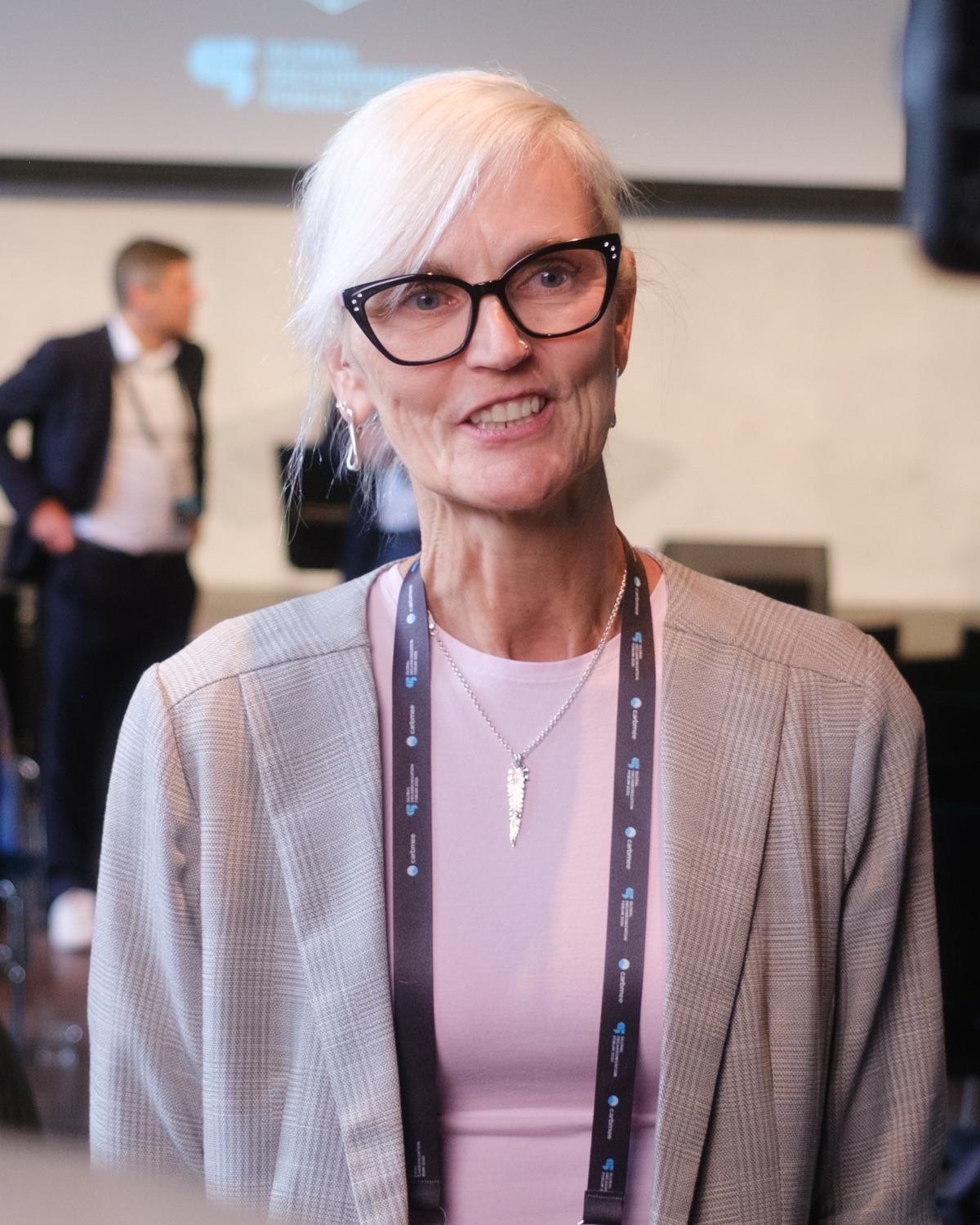
Background
25+ years in operations
I did not begin my career in sustainability. I began in operations.
For more than 25 years, I worked inside international companies including FedEx, Starbucks, Unilever, adidas and Infarm. Those roles taught me how organisations actually change: through decisions made under pressure, trade-offs between functions, imperfect information and people who still have to deliver the day-to-day business.
At FedEx, I learned what operational discipline and network reliability look like at scale. At Starbucks, I saw how standards, sourcing and customer experience must connect. At Unilever and adidas, I worked in complex global organisations where strategy only becomes real when functions, markets and suppliers can act on it. At Infarm, I experienced the pace, ambiguity and direct accountability of a scaling business.
I founded Circularify because sustainability work too often sits beside the business it is meant to change. A strategy may read well but leave ownership unresolved. A regulatory project may collect information without creating a usable process. A climate programme may identify hotspots without changing procurement or supplier conversations. My work starts where those gaps become visible.





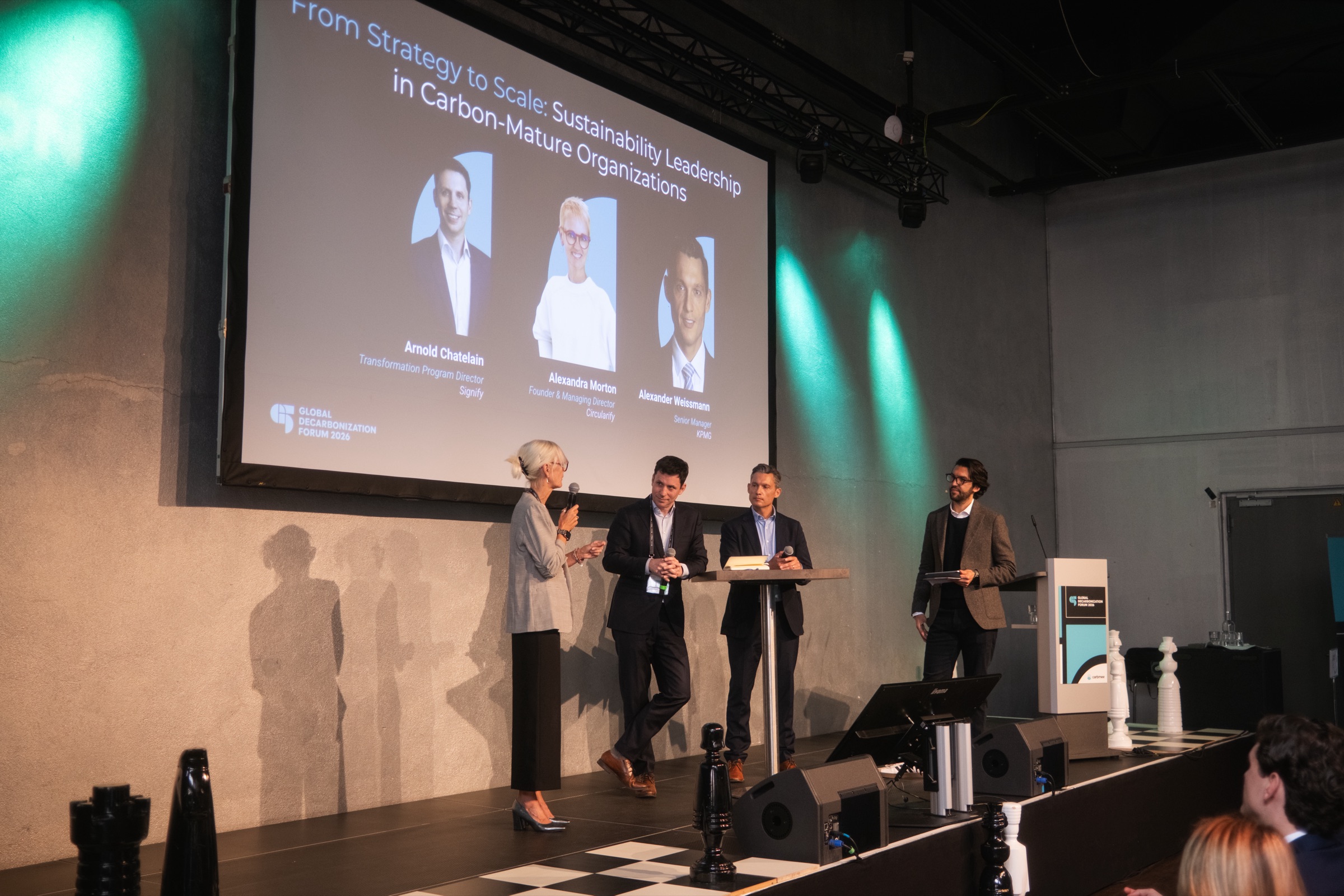
How I work
Six principles
How I work
I look for the real question behind the brief.
A reporting request may reveal a governance problem; a data request may hide an undecided business choice.
I connect strategy with the decisions below it.
Priorities must be visible in roles, processes, data, investment and commercial work.
I use data according to the decision it supports.
Screening, operational decisions, performance management and external claims do not require the same evidence.
I make responsibilities explicit.
If ownership remains vague, implementation will remain optional.
I involve the people who know the actual work.
Useful answers come from combining sustainability expertise with operational knowledge.
I leave something the organisation can operate.
A decision logic, roadmap, governance model, process, training approach or evidence structure.
What is different
From board level to supplier detail
What is different
I bring an operator’s perspective to sustainability. I am comfortable moving between board-level direction and the detail of a supplier conversation, a packaging record or a business-unit decision. I stay directly involved in the work, challenge assumptions when the brief is too narrow, and make the answer simpler when a simpler answer is sufficient.
The aim is not to make sustainability sound easy. It is to make the next decision clear enough to act on. I am technology-aware but not technology-led. I help clients determine what their systems need to enable before deciding whether to adapt existing tools, build an internal solution or select a specialist platform.
The level-bridging role
Board
Direction and trade-offs
Business units
Context and ownership
Functions
Processes and decisions
Value chain
Suppliers and customers
The work happens between the levels — translating direction downwards and operational reality upwards.
Teaching · Writing
MBA level · Publications
Teaching
Guest lecturer at Quadriga University of Applied Sciences, MBA level. Teaching is part of the same practice: translating complex change into questions, examples and choices that leaders can use.
- Sustainability Communication in Practice
- Supply Chain Management & Operations
- Digital Business Transformation
Writing and contribution
Sustainable AI – AI for sustainability: A reader for PR, communications, public affairs and sustainability professionals
Double materiality as a prioritisation engine in procurement
(external website doi.org, opens in a new tab) Book chapter · 2025Promoting Sustainability and Responsibility in Public Administration: A European Perspective
(external website doi.org, opens in a new tab) Book chapter · 2024Sustainable transformation of procurement in vertical agriculture (vertical farming)
(external website doi.org, opens in a new tab) Policy contribution · 2026Unlocking Purpose-Driven Competitiveness in Europe
(external website bcorporation.eu, opens in a new tab) All publications (5)The thread across my work
Advising · Teaching · Writing
Whether I am advising a company, teaching or writing, the question is consistent: how can sustainability expectations be translated into decisions that an organisation can make, implement and evidence?
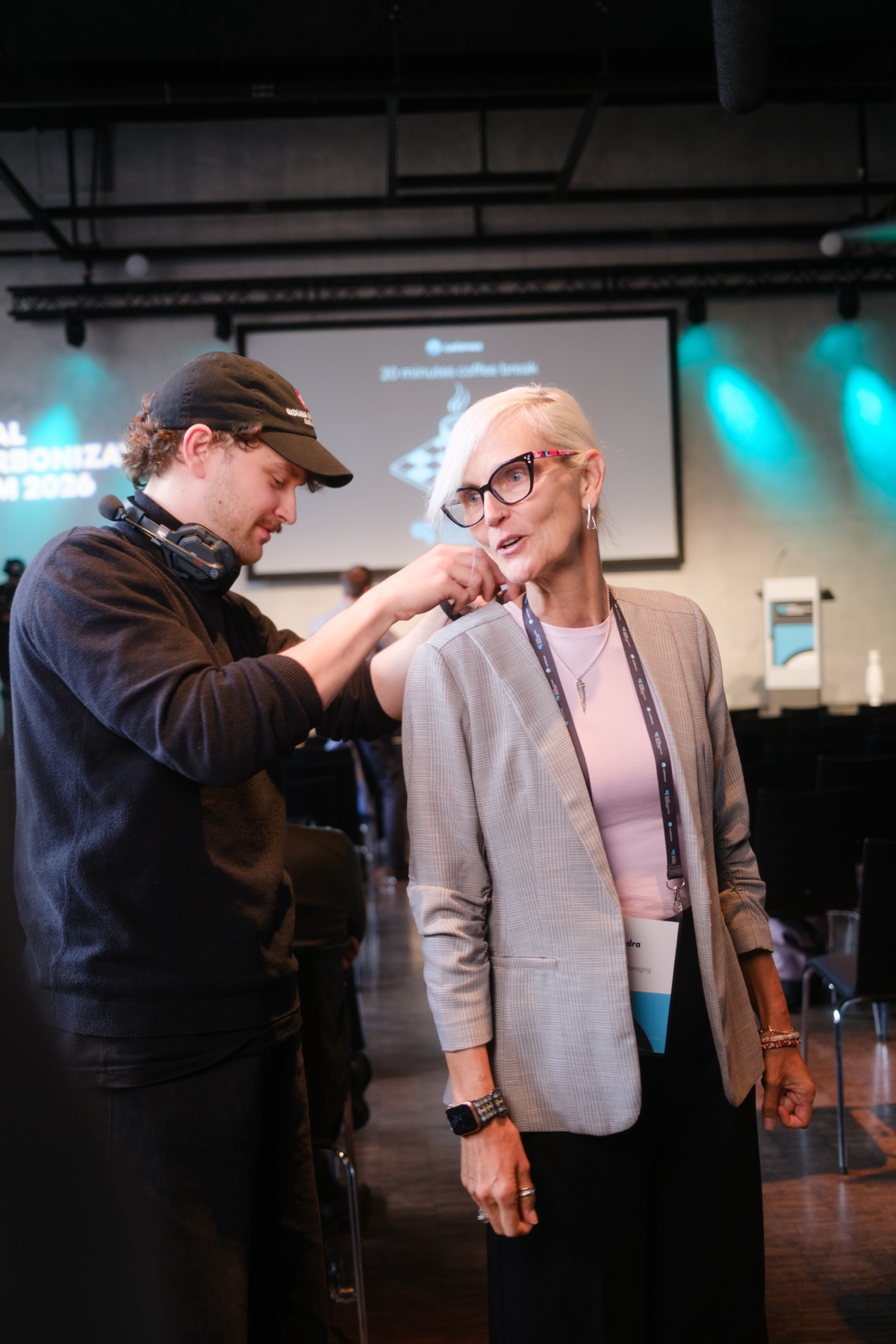
A note on pragmatism
Pragmatic does not mean lowering the standard. It means being precise about what matters now, what evidence is sufficient for the decision, who must act and what can be built next. Ambition without an operating route remains a statement. An operating route without ambition becomes compliance. The useful work connects both.
Start a focused conversation
Discuss the decision or implementation challenge your organisation is facing.
Whether the challenge is prioritisation, regulation, supplier engagement, decarbonisation or implementation governance, we can start with what needs to move next.